There 3 products in this category
80
325
90
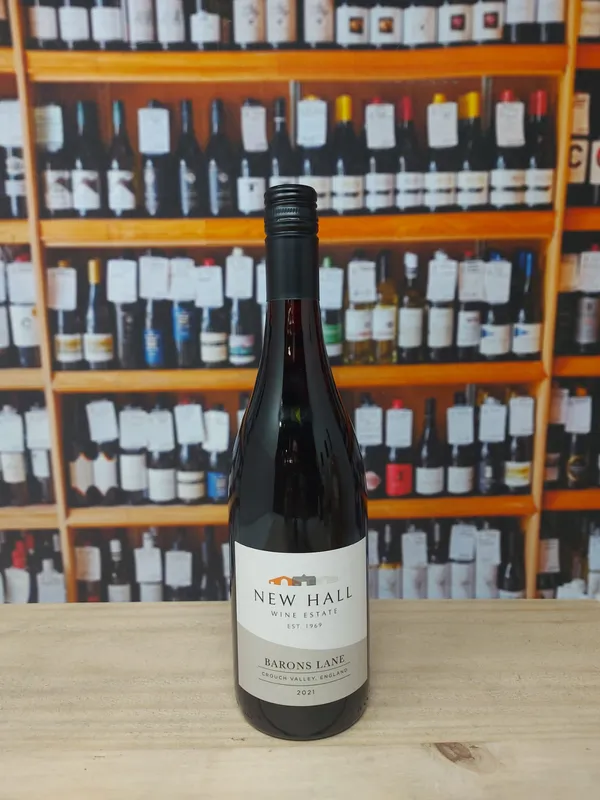
New Hall Vineyards
Full of black cherry and bramble fruit with a hint of red cherry and almond, the Barons Lane Red displays juicy dark fruits, tomato leaf and a smoky peppery character leading to a firm, well-structured finish.

80
325
90
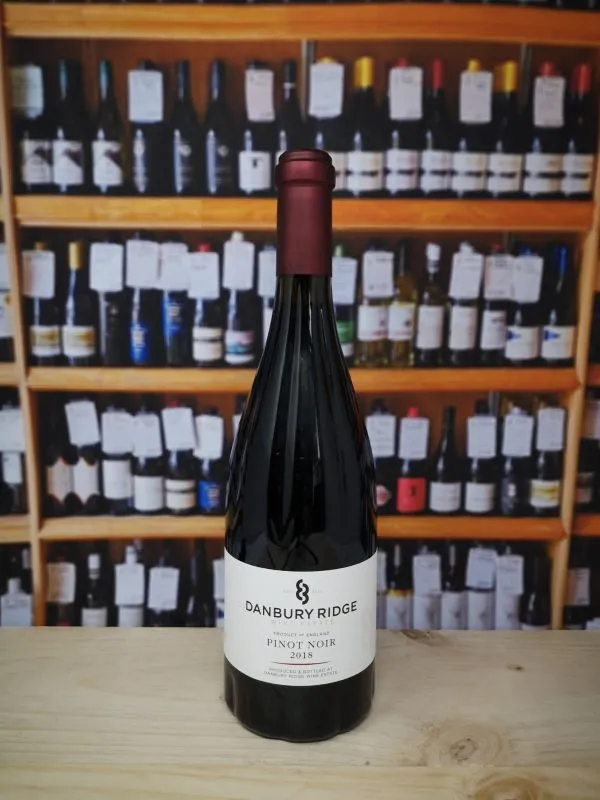
Danbury Ridge
Displaying an array of ripe red fruit aromas with highlights of cherries, hints of smokiness and spice add complexity to the nose. The palate has a juicy acidity and fine tannins lending to a refreshingly long finish. Super-premium estate sited in the warmest, driest corner of England, near the coast and Malden (of posh salt fame). This south-facing ridge enjoys an exceptionally long warm growing season - so rare in England. Our old friend John Atkinson, Master of Wine, who is an expert on cool-climate viticulture, is enthusiastically involved. Winemaker is Liam Idzikowski who boasts long experience in English wine-making; backed by owners the Bunker family, the winery is an astonishing no-expense-spared jewel in the crown for English wine. The Pinot is deep and svelte in the Pommard/Volnay tradition, rich of fruit and cool of spice - clove, anise etc. Young but self-evidently grand, and deeply impressive.
80
325
90
Flint Vineyard
Précoce is silky, juicy, and packed with fruit and character. Layers of bramble jam and white pepper lead into a super-bright, fruit-forward palate with well integrated tannins, and a gorgeously smooth finish. Précoce pairs beautifully with things like pan-seared duck, mushroom risotto, or classic simple charcuterie. Perfect for intimate dinners, long Sunday lunches, or an impromptu midweek treat - because good red wine shouldn’t have to wait for a special occasion. Précoce was hand harvested in October 2024, making up around 65% of this year’s blend with the remainder French and German clone Pinot Noir picked in early November. Both sourced from our Norfolk vineyard and Martin’s Lane in Essex, fermented partially as whole bunches and crushed/de-stemmed berries. Fermentation took place in concrete, the traditional way, which allows the wine to breathe, open up and soften. We then made use of both indigenous and cultured yeast strains to encourage complexity, and a cool fermentation gave just enough time to gently extract colour and flavour whilst keeping things fresh. After fermentation, the wine was transferred into neutral oak barrels, between five and seven years old, where it underwent malolactic fermentation. It then spent a further six months in barrel before being bottled with minimal filtration to keep it honest. It’s a light-touch process: the grapes do the work here and it really shows in the character of the wine..